Town Hall & Market Place
Durham's Town Hall has been central to the City's rich history since 1350. Take a tour or hire the Hall for an event.
Historic Town Hall & Market Place
The Town Hall has been central to Durham’s history since 1350 and, as it’s open to the public, everyone can discover its rich history and hidden stories. Audio guides, interactive information points and short films help you to explore this extraordinary building and the remarkable individuals who helped shape the city.
Learn about the Prince Bishops, the evolution of local government and the historic and ongoing roles of the Mayor and the Mayor’s Bodyguard.
Situated centrally within Durham City, the historic and Town Hall is also ideal for holding corporate events and conferences, team meetings, receptions, dances, performances, society dinners and more.

Durham Town Hall
Turn any street corner in Durham City and you’ll find a building rich in history. At the heart of this historic city is Durham Town Hall, a site which has played a central role in civic life since 1350.
After refurbishment works, the Grade II-listed building, modelled on a medieval hall, recently reopened to the public who are able to walk in the footsteps of history once more and discover how Durham Town Hall helped shape the city, from the evolution of Local Government to the Trade Guilds and Freemen of Durham who have met in the neighbouring Guildhall since the 14th century – and continue to do so today.
Entry is free and it operates a walk-in service for visitors to explore the building which houses many interesting artefacts, including the original city charter, the city’s civic sword and the pikes of the mayor’s personal bodyguard.
It’s also a great place to learn about the powerful Prince Bishops, who led to the area becoming known as The Land of the Prince Bishops. The Prince Bishops were once so powerful they formed their own Parliament and were allowed to raise their own armies, levy their own taxes, mint their own coins and set up their own court system.
Other points of interest include items, including clothing and a violin, belonging to Joseph Boruwlaski, a Polish-born celebrity in Durham in the nineteenth century who became known as The Little Count due to his height of 3ft 3ins. Such was his popularity and fame, that when he died in 1839 aged 97, he was granted buried in Durham Cathedral.
*The Town Hall is open as part of the Saturday Heritage offer from 10am to 3pm. Reception is open for enquiries Monday to Friday 9am to 5pm. It has its own Visitor Information Point where you can learn about all the fascinating things to see and do in Durham.
Durham Indoor Market
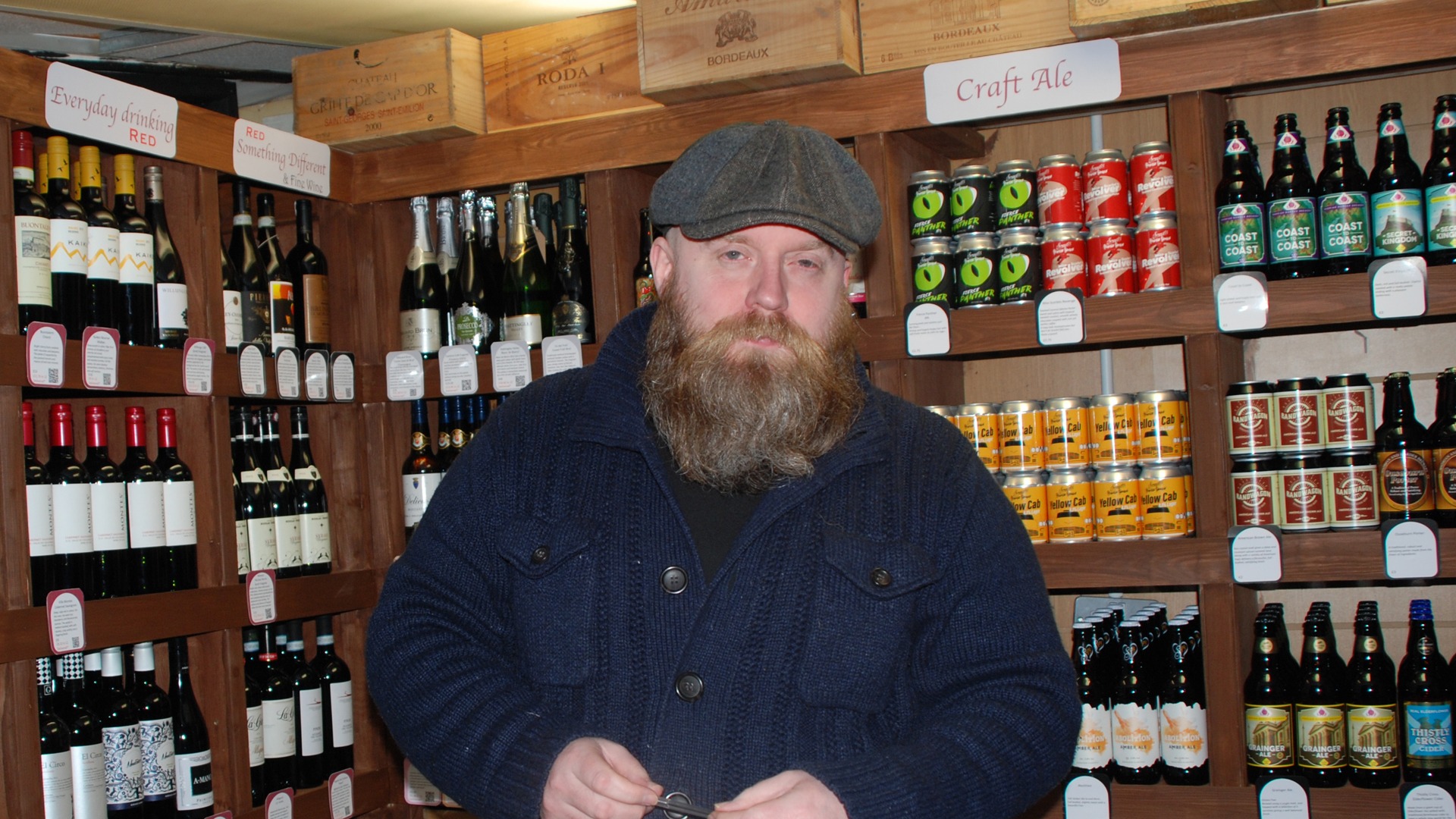
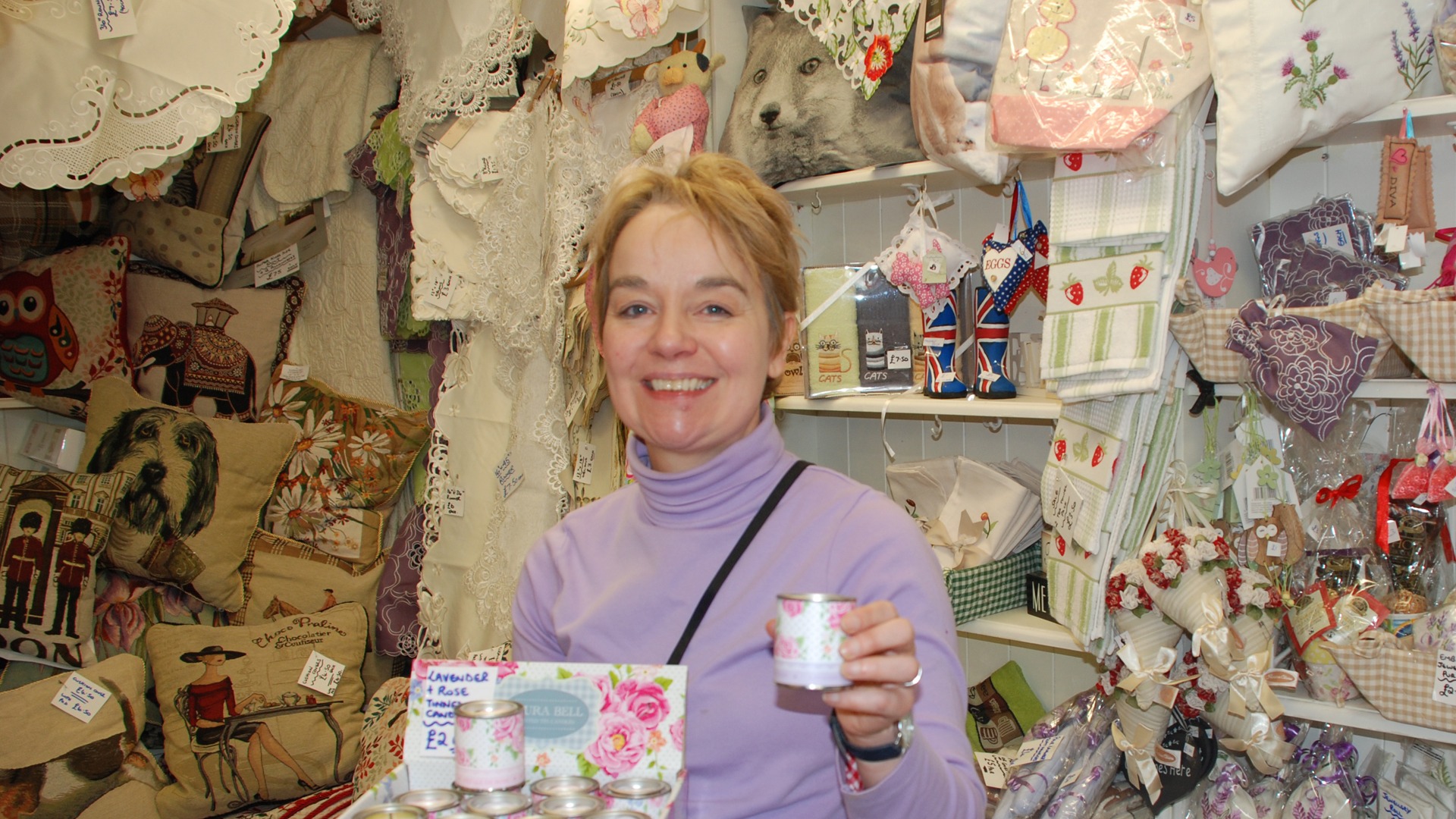
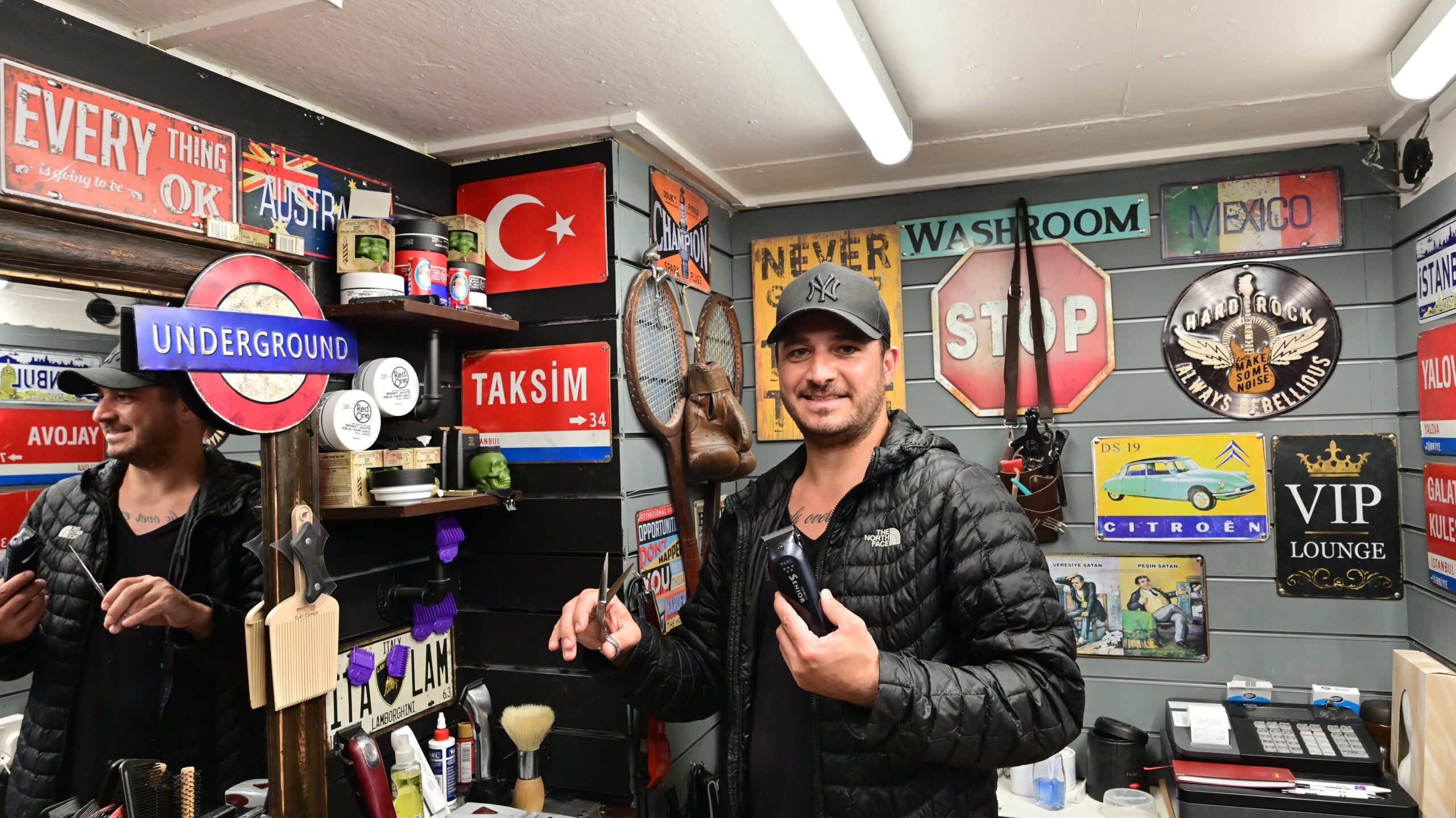
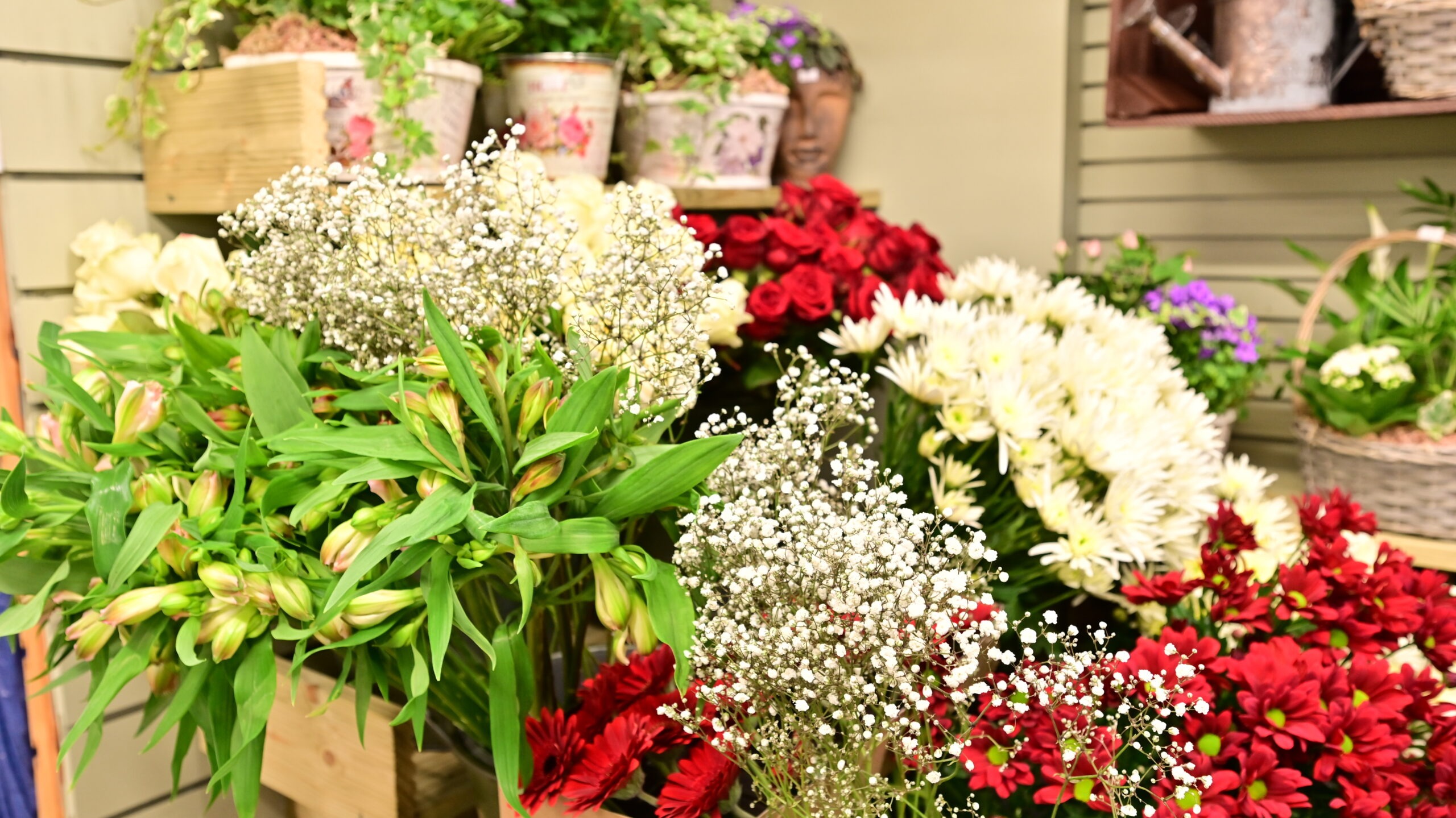
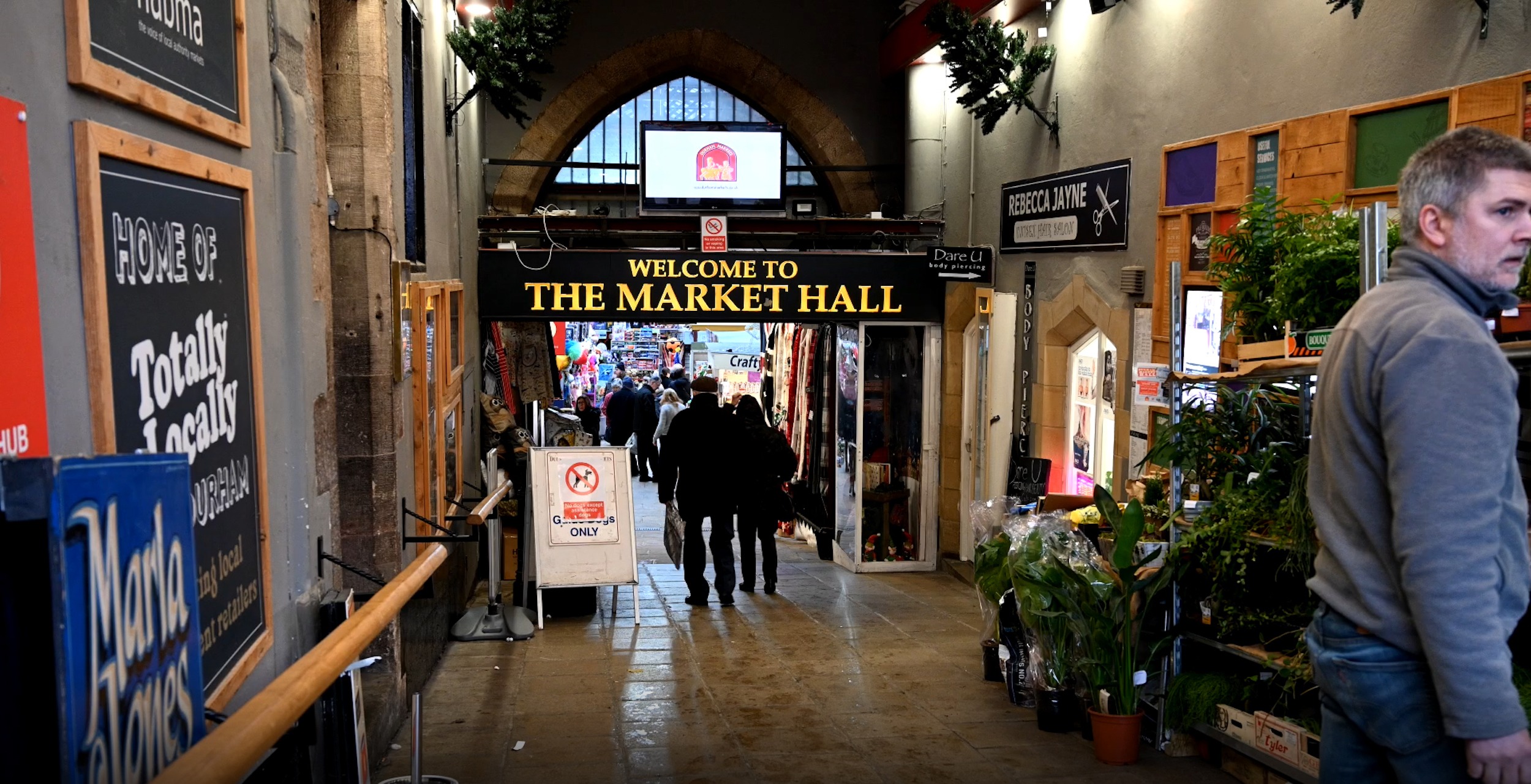
In the mid-nineteenth century, markets were created underneath and around Durham Town Hall, as well as the Market Tavern, and Durham Indoor Market is still home to more than 40 independent traders today.
From antiques and traditional sweets to plants, craft beers and artisan food producers, Durham Indoor Market is a real treasure trove of finds.
Traders are full of knowledge about the area and their products and offer the kind of personal service you’ll struggle to find at chain retailers.
Its on-site cafe, Cafe Cenno, is also a great spot for a bargain breakfast and views from its mezzanine location over the hustle and bustle of this lively market.
To soak up some real Durham history, stop for a pint in the Market Tavern, the birthplace of the Durham Miners’ Union which was founded at a miners’ meeting held here on November 20, 1869.
*Durham Indoor Market is open Monday to Saturday 9am to 4.30pm.
Durham Market Place
Market Place is a real focal point in the city with its distinctive Marquess of Londonderry statue which forms the backdrop to many major events in the city, such as Lumiere, Durham Miners’ Gala and Durham BRASS Festival.
As well as being a great spot to sit and watch the world go by, it’s also home to regular markets where you can pick up crafts and some excellent local produce.
The Saturday Outdoor Market is open from 9am to 4pm, every Saturday in Durham Market Place.
Meanwhile, Durham’s Food Producers’ and Crafters’ Market takes place on the third Thursday of each month. It’s in Durham Market Place, and open from 9am to 3.30pm.
Keep an eye out for The Full Moon Street Food Markets in Durham, which are mostly evening markets running until 9pm. They are held approximately once a month in milder months.
To the left of Market Place, you’ll see the landmark spire of St Nicholas Church, another Victorian addition to the area which dates back to 1858.
Known affectionately as St Nic’s, it’s a church for everyone and is available for prayer and worship in person and online with Sunday services at 9am, 11am and 6.30pm.